

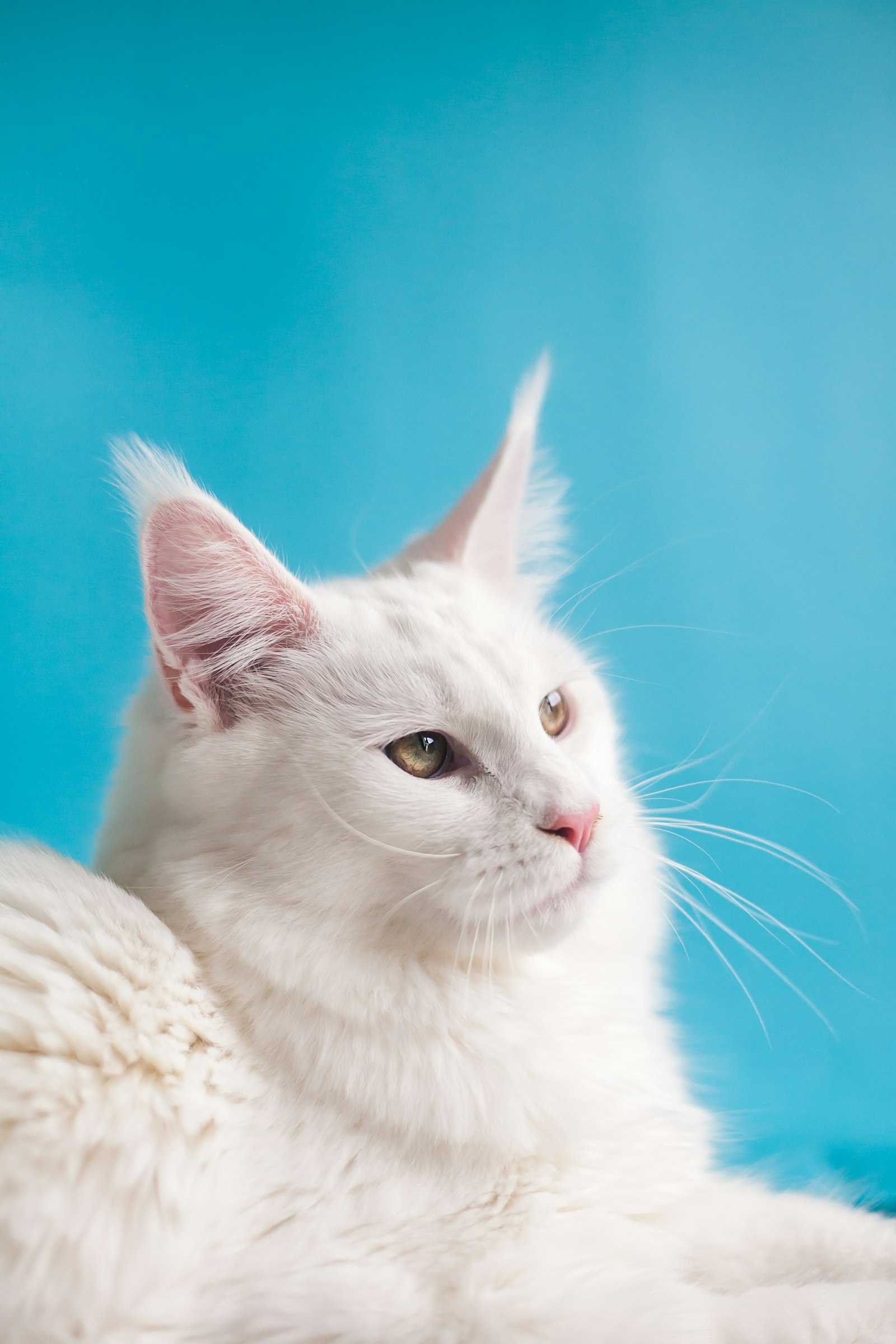
Infectious diseases remain among the leading causes of morbidity and mortality in domestic cats, especially in free-roaming populations, shelters and multi-cat households. Recognizing clinical signs early, ordering the right tests and guiding the owner on prevention make all the difference.
This guide reviews the five conditions most commonly seen in feline practice, focused on what matters at the consultation: why to suspect, how to confirm and what to communicate.
1. Feline Leukemia Virus (FeLV)
Retrovirus transmitted horizontally through prolonged contact (saliva, nasal secretions, bites) and vertically (transplacental and via milk).
Common clinical signs:
- Persistent non-regenerative anemia
- Generalized lymphadenomegaly
- Recurrent opportunistic infections (chronic stomatitis, otitis, skin infections)
- Progressive weight loss
- Lymphoma (especially mediastinal in young cats)
Diagnosis: ELISA screening (p27 antigen) followed by PCR or IFA when positive or discordant with the clinical picture. Young cats with recent exposure may need retesting in 30–60 days.
Prevention: vaccination in cats with outdoor access or living with positives, always after testing. Reinforce isolation of positives with the owner.
2. Feline Immunodeficiency Virus (FIV)
Lentivirus transmitted mainly via bites — hence the higher prevalence in unneutered males with outdoor access.
Common clinical signs:
- Chronic refractory stomatitis
- Weight loss and poor coat
- Lymphadenomegaly
- Opportunistic infections in late stages
- Neurological and behavioral changes
Diagnosis: ELISA detects antibodies. Note: kittens up to 6 months may test positive due to maternal antibodies. Prior vaccination also interferes — confirm with PCR when in doubt.
Prevention and management: neutering, controlling outdoor access and isolating positives. FIV has no cure, but with proper management the patient can live many years with good quality of life.
3. Feline Infectious Peritonitis (FIP)
Results from mutation of the feline enteric coronavirus. Effusive (wet) and non-effusive (dry) forms, both historically lethal — although antiviral treatment (GS-441524) has transformed prognosis in recent years.
Common clinical signs:
- Persistent fever unresponsive to antibiotics
- Abdominal or pleural effusion (wet form)
- Uveitis, neurological signs, granulomas (dry form)
- Hyperproteinemia with hyperglobulinemia
- Lymphopenia
Diagnosis: combination of clinical findings, protein electrophoresis, fluid cytology (positive Rivalta, high protein), PCR of effusion and immunohistochemistry. No single test is definitive — diagnosis is integrative.
4. Feline Panleukopenia
Caused by feline parvovirus, highly contagious and environmentally resistant. Mainly affects unvaccinated kittens.
Common clinical signs:
- Vomiting and diarrhea (often hemorrhagic)
- Severe dehydration
- Anorexia and lethargy
- Marked leukopenia (especially neutropenia)
- Hypothermia in advanced stages
Diagnosis: clinical picture + CBC with pancytopenia + rapid fecal antigen test or PCR.
Prevention: the V3/V4 vaccine is highly effective. Reinforcing the kitten protocol with the owner is essential.
5. Feline Respiratory Complex
Mainly caused by feline herpesvirus type 1 (FHV-1), feline calicivirus (FCV), Chlamydia felis and Mycoplasma spp. Very common in catteries and shelters.
Common clinical signs:
- Sneezing, nasal and ocular discharge
- Conjunctivitis and corneal ulcers (FHV-1)
- Oral ulcers (FCV)
- Hyporexia secondary to anosmia
- Fever
Diagnosis: usually clinical in typical cases; conjunctival/oropharyngeal PCR when uncertain or to identify the agent in outbreaks.
Prevention: up-to-date triple vaccination, proper environmental management, isolating new animals for 14 days before introduction in multi-cat households.
Communicating with the owner
Most of these diseases have a strong preventive component. Use the consultation to reinforce:
- Annual vaccination kept up to date
- Early neutering
- Controlled outdoor access
- Quarantine for new animals
- The importance of not interrupting prescribed treatment
Where clinical documentation helps
Feline cases often require longitudinal follow-up: serial CBCs, evolution of clinical signs, response to treatment, management changes. Having a complete history — without rereading it every visit — shortens consultations and improves decisions.
Feline medicine rewards those who document well. The more detailed and organized the medical record, the sooner patterns emerge and the faster the diagnosis is reached.

