

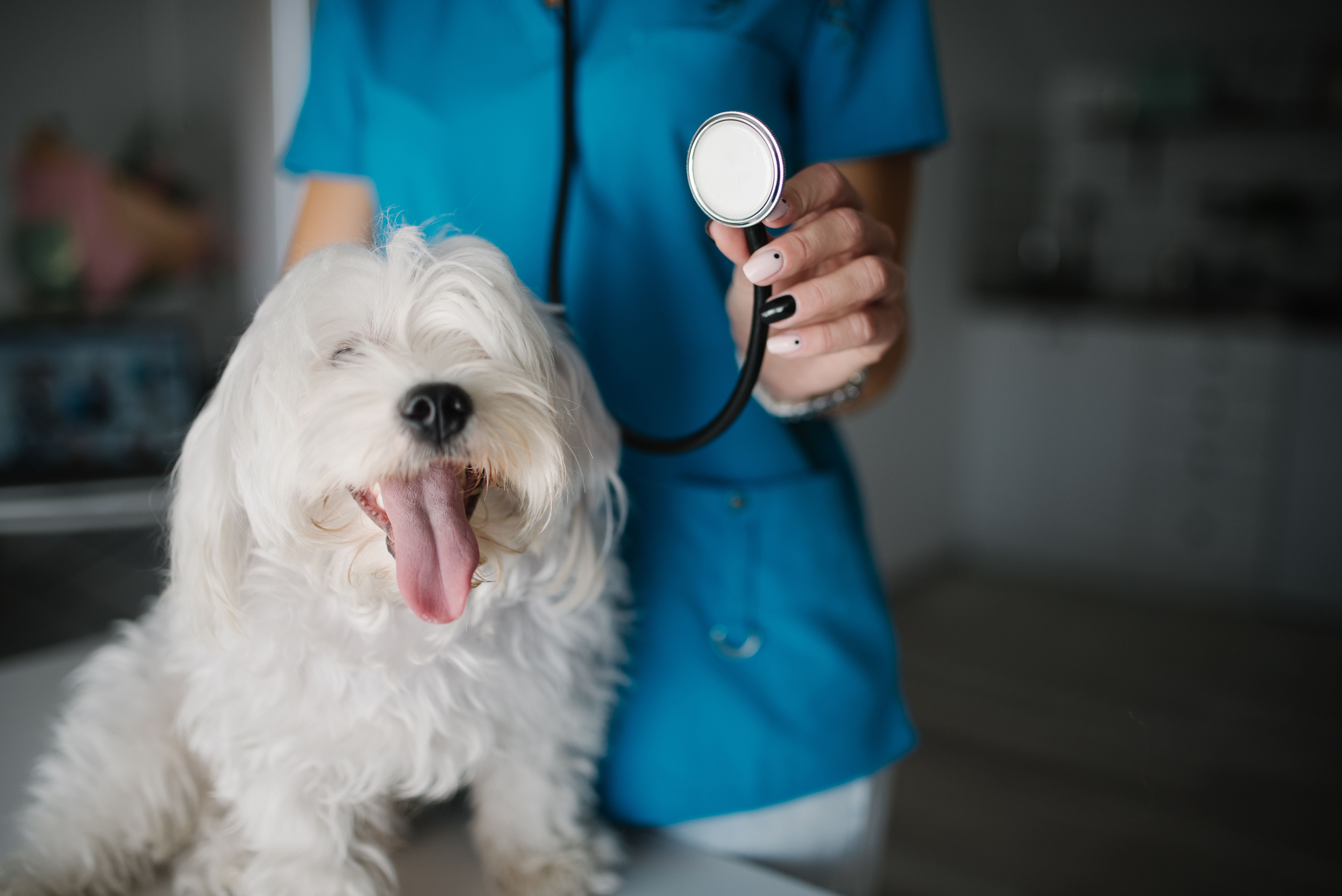
Your pet starts feeling unwell outside business hours, and the big question appears: can this be handled with remote guidance, or should you go straight to a clinic?
Veterinary tele-guidance can be very helpful for pet guardians in common day-to-day situations. It helps organize symptoms, define urgency, and make safer decisions, while not replacing in-person exams when they are needed.
In this guide, you will understand when tele-guidance is usually helpful, when in-person care should be the priority, and how to prepare to get more value from remote support.
What veterinary tele-guidance is (and what it is not)
Tele-guidance is an initial remote clinical guidance service, usually by message, phone call, or video call.
It can help you:
- understand how urgent the case is
- review history and recent symptoms
- receive initial care instructions
- decide whether brief home observation is reasonable
- define whether you should go to a veterinary hospital immediately
At the same time, it is important to know the limits: not every case can be handled remotely. Situations involving risk, intense pain, or fast deterioration require in-person evaluation.
When tele-guidance is usually useful
In general, remote guidance can be a good first step when your pet is stable and has no severe signs. Common examples:
- mild vomiting or diarrhea episodes with otherwise active behavior
- questions about medications previously prescribed
- itching, ear discomfort, or skin irritation without sudden worsening
- follow-up during recovery after a recent consultation
- questions about feeding, hydration, and routine after a mild symptom
In these cases, the veterinarian can guide structured observation and clearly explain which signs mean the plan should change.
Warning signs: when to go straight to in-person care
Some signs require fast, in-person action. Seek a veterinary clinic or hospital without delay if there is:
- breathing difficulty
- seizure
- fainting, severe weakness, or marked lethargy
- active bleeding
- intense pain (crying, vocalizing, not allowing touch)
- repeated vomiting with inability to keep water down
- distended and painful abdomen
- suspected poisoning or foreign body ingestion
- trauma (fall, run-over, bite)
- sudden neurological changes (wobbly walk, head tilt, disorientation)
Puppies, senior pets, and pets with chronic disease may decompensate faster. For these groups, lower tolerance for waiting is safer.
How to prepare for a more effective tele-guidance session
The better the context you provide, the better the guidance quality. Before contact, organize:
- main symptoms and when they started
- short videos of abnormal behavior
- photos of stool, vomit, skin, or ear findings (when relevant)
- medications currently in use (name, dose, schedule)
- previous diseases and known allergies
- any access to toxic plants, chemicals, trash, or small objects
Avoid trying medications on your own. Even common human drugs can be dangerous for dogs and cats.
Frequent mistakes that delay proper care
Some well-intentioned behaviors can make care harder:
- waiting for severe signs before asking for help
- omitting medications already given at home
- not tracking timing and frequency of vomiting/diarrhea
- stopping treatment before reassessment
- trusting generic online recipes
Good tele-guidance depends on clear information, follow-up, and reassessment when needed.
Summary
Veterinary tele-guidance is a useful ally to organize decisions, reduce uncertainty, and speed up the right referral. For mild and stable conditions, it may avoid unnecessary emergency visits. For warning signs, it should work as a fast bridge to in-person care.
If you are a pet guardian, keep your pet’s health history organized and updated to improve every contact with your veterinarian.
If you are a veterinarian and want to better structure tele-guidance and clinical documentation, start free on All Ears Vet.

