

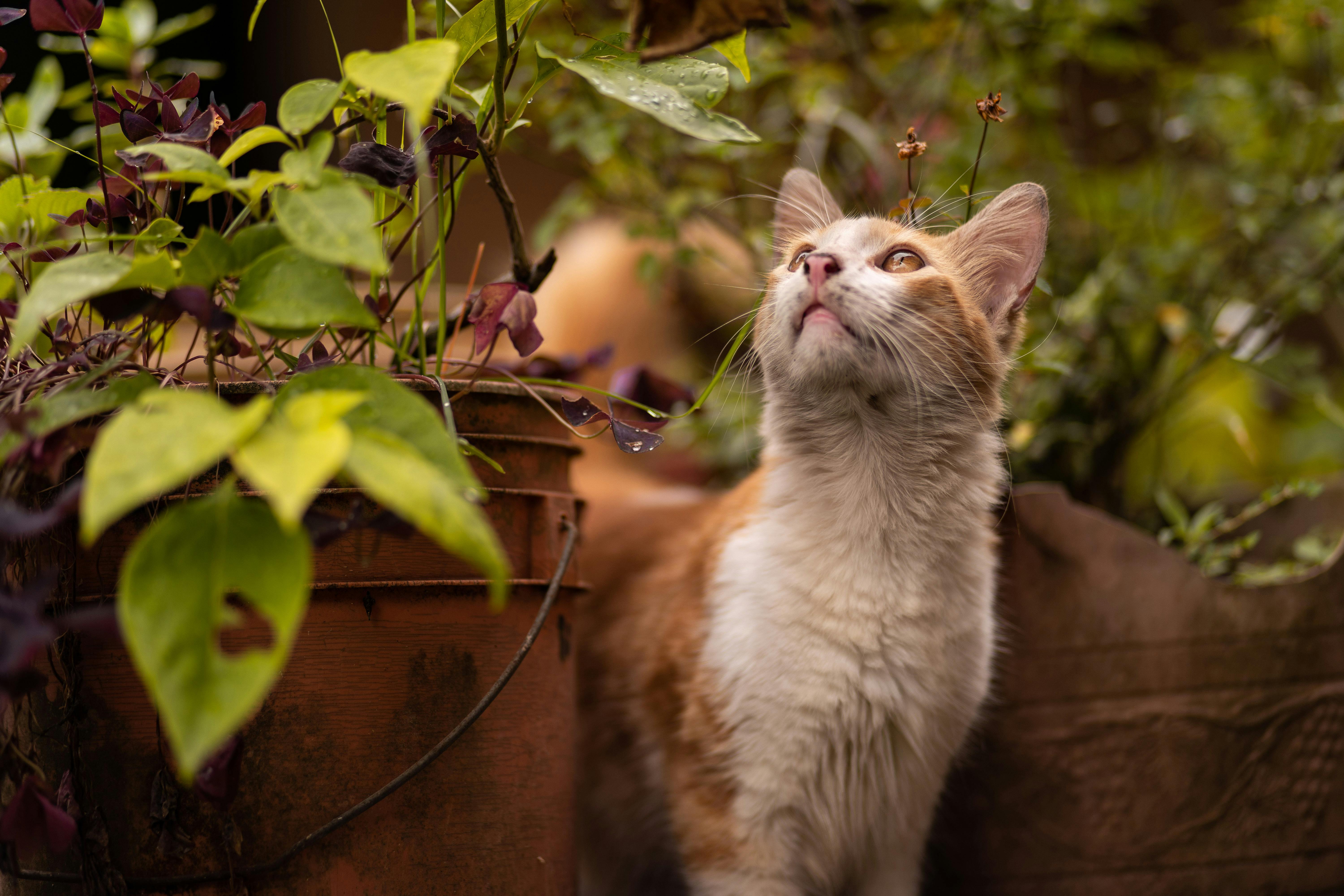
Many people keep plants at home to make the space more pleasant and beautiful. The problem is that several very common houseplants can be dangerous to dogs and cats — especially curious pets, puppies, and cats that like to chew leaves.
In this guide, you will learn which plants commonly pose a risk, which signs of poisoning to watch for, and what to do if your pet comes into contact with or ingests one of them.
Why are some plants toxic to dogs and cats?
Some plants contain irritants, alkaloids, calcium oxalate crystals, or specific toxins that affect the gastrointestinal tract, nervous system, heart, kidneys, or liver.
Severity depends on factors such as:
- the plant species
- the part ingested
- the amount
- the animal’s size and health status
- the pet species (cats and dogs do not always react the same way)
Most common toxic plants found at home
1. Lily
One of the most dangerous plants, especially for cats. Even small exposures can be serious, including pollen contact or water from the vase.
2. Dumb cane
Very common in homes and apartments. It may cause intense mouth irritation, drooling, pain, and difficulty swallowing.
3. Pothos
Frequently used indoors. It can also cause oral irritation, vomiting, and gastrointestinal discomfort.
4. Snake plant
Popular and hardy, but it may cause nausea, vomiting, and irritation in pets that chew the plant.
5. Azalea
It can cause vomiting, diarrhea, weakness, and in more severe cases, cardiac and neurological changes.
6. Anthurium
Like other plants with irritating crystals, it may cause burning in the mouth, excessive drooling, and discomfort.
7. Monstera
Very common in home decor. Although popular, it can cause oral and gastrointestinal irritation.
8. Aloe vera
Many people keep aloe at home for cosmetic or medicinal purposes, but ingestion may cause vomiting, diarrhea, and malaise.
9. Bougainvillea and other ornamentals
They are not always highly toxic, but many ornamental plants can cause gastrointestinal upset or irritation to skin and mucous membranes.
10. Tulips and daffodils
More common in decorative arrangements and pots. Bulbs may be especially dangerous if ingested.
Are cats at higher risk around plants?
In many cases, yes. Cats often explore their environment with their mouths, chew leaves, and easily access pots on windowsills, shelves, and furniture. In addition, some plants — such as lilies — are particularly dangerous for felines.
Signs of plant poisoning in dogs and cats
Symptoms vary according to the plant and the amount ingested, but the most common signs include:
- vomiting
- diarrhea
- excessive drooling
- mouth irritation
- difficulty swallowing
- lethargy
- tremors
- lack of coordination
- breathing changes
- cardiac changes in more severe cases
If there is eye or skin contact, redness, itching, and burning may also occur.
What should you do if your pet chews or eats a toxic plant?
1. Move the animal away from the plant
Immediately prevent further exposure.
2. Try to identify the plant
If possible, take a photo or bring a safe sample to the veterinarian. This helps a lot.
3. Remove residue from the mouth or coat if present
Carefully removing visible plant material may help. If there was external contact, washing the area can help too — as long as it does not create excessive stress.
4. Do not induce vomiting on your own
That may worsen the situation depending on the substance involved.
5. Seek veterinary guidance quickly
Even when signs seem mild, early action is best.
When is urgent care necessary?
Seek veterinary care urgently if there is:
- confirmed lily ingestion by a cat
- repeated vomiting
- intense drooling
- tremors
- marked weakness
- breathing difficulty
- behavior changes
- suspected ingestion of bulbs, leaves, or flowers in relevant amounts
How to prevent plant poisoning at home
Prevention is still the best strategy.
Useful measures include:
- reviewing which plants are in the house
- keeping toxic species out of pets’ environment
- avoiding pots in easy-to-reach places
- choosing plants considered safer for animals
- teaching children and visitors not to offer leaves or flowers to pets
- watching puppies and curious cats especially closely
In summary
Several plants commonly found in homes and apartments can be toxic to dogs and cats. Some of the best-known examples are lilies, dumb cane, pothos, snake plant, azalea, anthurium, and monstera.
If ingestion or contact is suspected, the safest choice is to identify the plant, observe symptoms, and seek veterinary guidance as soon as possible.

