

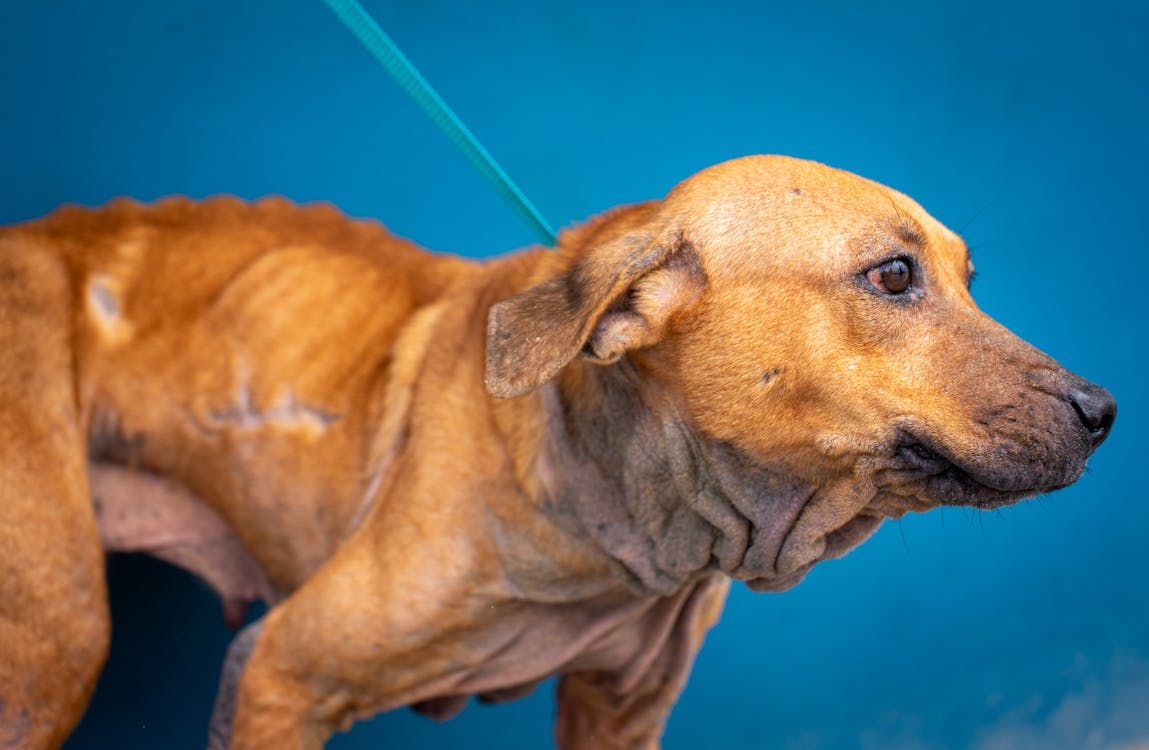
April carries an important flag for everyone working in animal health and welfare: the Orange April campaign, dedicated to raising awareness and fighting animal abuse. Established internationally and increasingly present in Brazil, the initiative invites veterinary professionals, pet owners, and society to reflect on our collective responsibility in protecting animals.
What is Orange April?
Orange April originated as an extension of the campaign promoted by the ASPCA (American Society for the Prevention of Cruelty to Animals) and gained momentum in Brazil through legislative bills and municipal and state actions. The goal is clear: to alert the population about the various forms of animal abuse — from neglect of food, water, and shelter to physical aggression and abandonment.
The Brazilian Chamber of Deputies approved Bill 2519/23, officially establishing Orange April in the national calendar, reinforcing the importance of respecting animals and preventing abuse.
The concerning numbers
The Brazilian scenario remains alarming. According to the World Health Organization (WHO), Brazil has approximately 30 million abandoned animals on the streets — about 20 million dogs and 10 million cats. These animals live in precarious conditions, exposed to hunger, disease, and violence.
Another relevant finding: criminological studies show a strong correlation between violence against animals and violence against people. This makes combating animal abuse not only a matter of animal welfare but also of public safety.
What Brazilian law says
Brazil has legislation that, while still evolving, already provides important protection tools:
- Federal Law 9,605/1998 — classifies animal abuse as a crime against wild, domestic, or domesticated animals, with a penalty of 3 months to 1 year detention, plus a fine.
- Federal Law 14,064/2020 (Sansao Law) — increased the penalty for cases involving dogs and cats to 2 to 5 years imprisonment, a fine, and prohibition from keeping the animal.
The veterinarian's role in animal protection
Veterinary professionals are on the front line of identifying animal abuse. During consultations and treatments, they can notice signs such as recurrent injuries, severe malnutrition, extremely fearful behavior, and signs of neglect like excessive parasites or overgrown nails.
When identifying potential cases, the veterinarian can — and should — guide the owner, document evidence, and when necessary, file a report with the competent authorities.
Technology serving animal protection
Technology is also an ally in fighting animal abuse. Digital recording and documentation tools allow veterinarians to maintain detailed records, making it easier to identify suspicious patterns over time. Solutions like AI-powered consultation recording and transcription help ensure no clinical detail is lost — especially valuable when abuse is suspected and evidence needs to be compiled.
Orange April is every month
Although April is the official campaign month, fighting animal abuse must be a constant practice. Every veterinary professional, every pet owner, and every citizen has the power to make a difference — through reporting, education, or simply by setting an example of respectful and loving treatment of animals.
Animal protection starts with awareness. And awareness starts with information. Share, talk, report. No animal deserves to suffer in silence.

