

The Silent Problem on the Scale
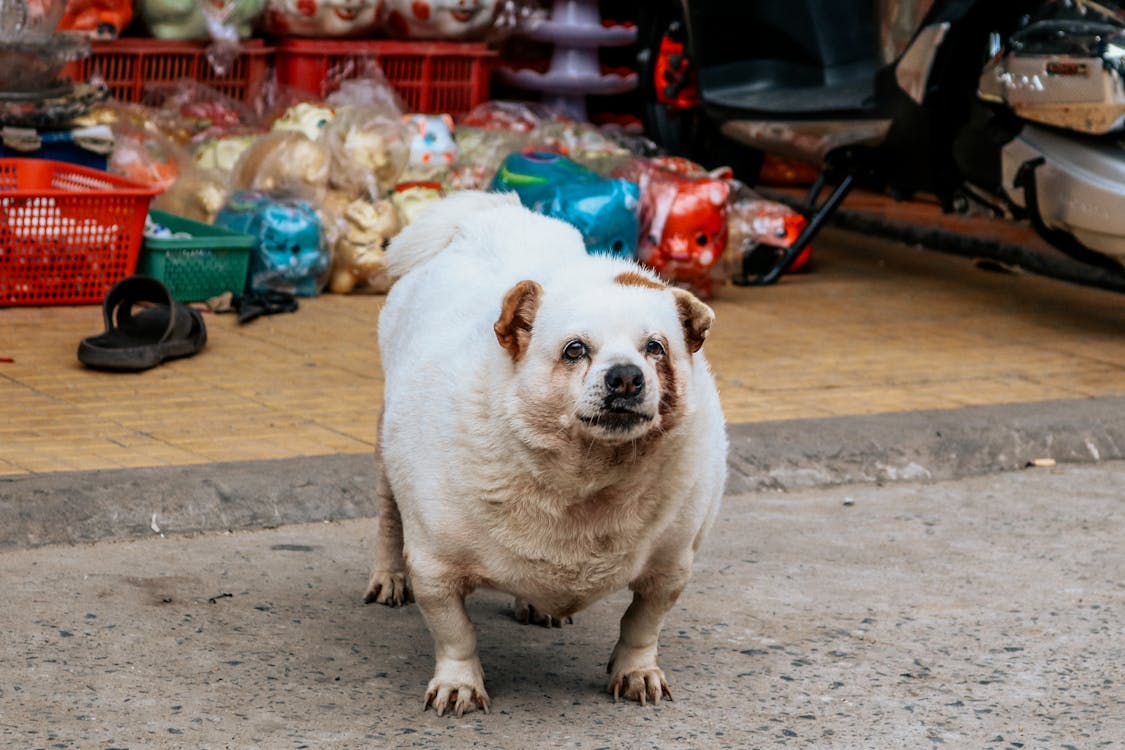
Obesity is now one of the most common health problems in dogs and cats — and it often goes unnoticed by pet owners. According to veterinary studies, more than 50% of pets seen in clinics are overweight or obese. The issue is that excess weight is not just an aesthetic concern: it affects joints, internal organs, the cardiovascular system, and the animal's overall quality of life.
How Do I Know If My Pet Is Overweight?
The most reliable assessment is performed by a veterinarian using the Body Condition Score (BCS), a scale from 1 to 9 where the ideal range is between 4 and 5. At home, you can do a quick check:
- Ribs: you should be able to feel the ribs with gentle pressure, but they should not be visible
- Waist: viewed from above, the body should have a slight tuck behind the ribs
- Abdomen: from the side, the belly should tuck up slightly toward the hind legs
If the ribs are hard to feel, the waist is not visible, or a prominent belly is evident, it's time to talk to your veterinarian.
Main Causes of Obesity in Pets
| Cause | Details |
|---|---|
| Overfeeding | Portions larger than needed |
| Frequent treats | Including human food scraps |
| Sedentary lifestyle | Lack of walks and playtime |
| Neutering without diet adjustment | Metabolism changes after the procedure |
| Hormonal diseases | Hypothyroidism, hyperadrenocorticism |
| Genetics | Some breeds are predisposed (Labrador, Beagle, Persian) |
Consequences of Excess Weight
Obesity in animals is associated with several serious conditions:
- Diabetes mellitus — especially in cats
- Joint diseases — arthritis and dysplasia worsen with weight
- Respiratory problems — especially in brachycephalic breeds
- Liver disease — feline hepatic lipidosis is a medical emergency
- Reduced life expectancy — studies show a reduction of up to 2 years in obese dogs
How to Help My Pet Lose Weight
Weight loss in pets must be supervised by a veterinarian. Very restrictive diets can be dangerous, especially in cats. In general, the process includes:
- Full veterinary evaluation to rule out hormonal causes
- Choosing a weight-control diet or prescription food
- Strict portion measurement using a measuring cup or scale
- Eliminating high-calorie treats — replace with vegetables like carrots and cucumber (for dogs)
- Gradually increasing physical activity — longer walks, interactive play
- Monthly weigh-ins to track progress
Prevention: Easier Than Treatment
Maintaining a healthy weight from puppyhood or kittenhood is much simpler than treating obesity. Regular veterinary check-ups, an appropriate diet for each life stage, and a routine exercise schedule are the pillars of a long and healthy life for your pet.
If you have questions about your pet's weight or need a personalized nutrition plan, schedule a consultation. Taking care of your pet's weight is one of the greatest acts of love you can show them.

