
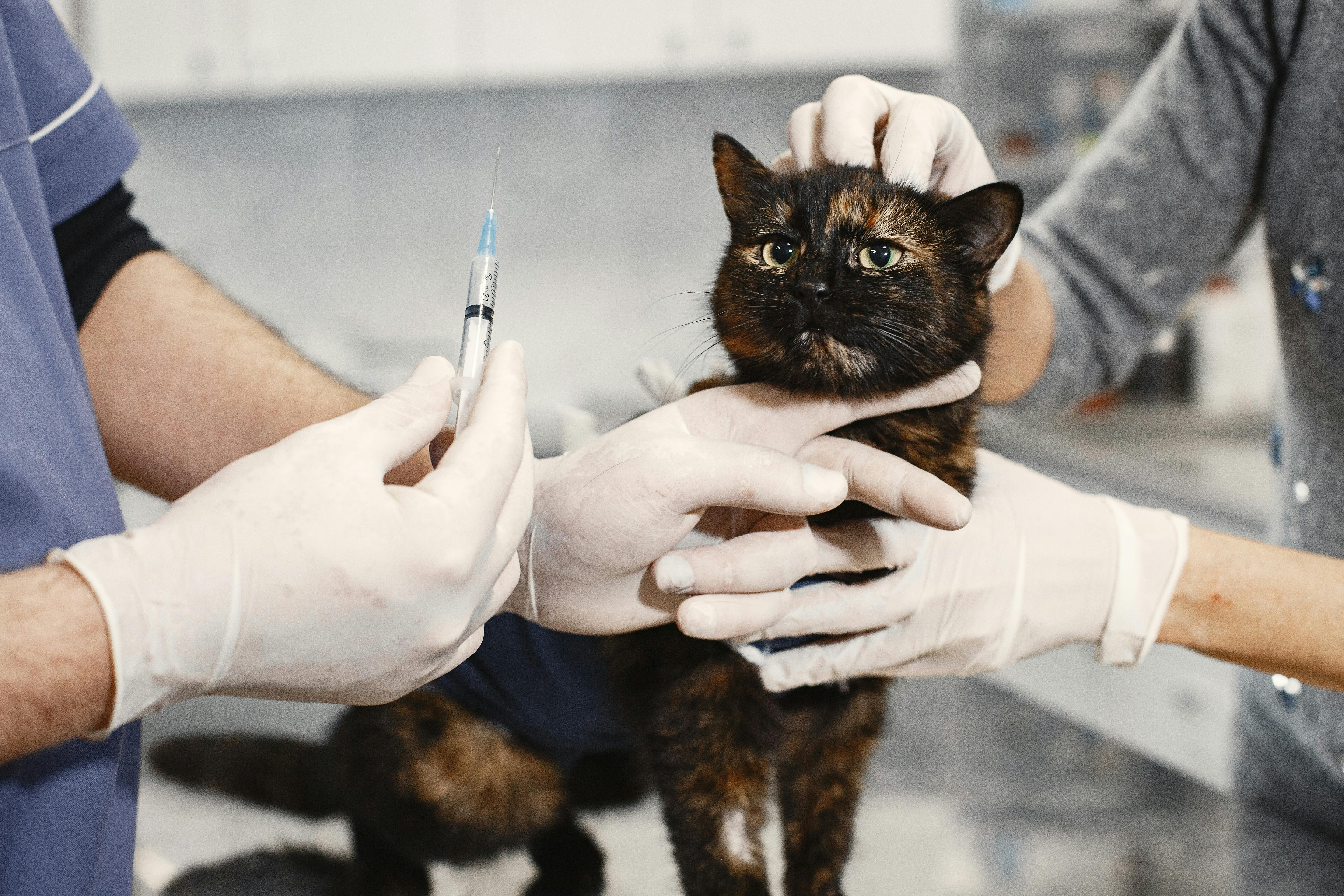
For many animals, the veterinary visit is one of the most stressful experiences of their lives. The unfamiliar environment, the smells of other animals and antiseptics, the handling, and the noises can trigger intense fear responses — especially in dogs and cats that have had previous negative experiences.
This is not just a comfort issue: highly stressed animals are harder to examine, more prone to react aggressively, and may show physiological changes (tachycardia, hyperglycemia) that complicate exam interpretation.
The Fear Free approach
The Fear Free movement, created by veterinarian Marty Becker in the United States, popularized a set of techniques and protocols aimed at reducing fear, anxiety, and distress (FAD) during veterinary care. The principles can be adapted for any clinic.
Clinic environment adjustments
Species separation: Whenever possible, keep dogs and cats in separate waiting rooms or at different times. The mere smell of a dog can raise a cat's stress before the consultation even begins.
Noise reduction: Classical music or white noise at low volume in waiting rooms and exam rooms reduces anxiety. Avoid sudden sounds from equipment.
Non-slip surfaces: Smooth stainless-steel tables are slippery and increase animals' insecurity. Rubber mats or towels make an immediate difference.
Synthetic pheromones: Pheromone diffusers (DAP for dogs, Feliway for cats) in waiting rooms and exam rooms have scientific evidence of effectiveness in reducing anxiety.
Handling techniques
- "Less is more": Less physical restraint tends to generate less resistance. Always try the gentlest approach first.
- Positive reinforcement: Treats during and after the exam associate the consultation with positive experiences.
- Natural positioning: Allowing the animal to remain in its comfortable position (not forcing dorsal recumbency for simple exams) reduces stress.
- Habituation time: Setting aside a few minutes for the animal to explore the exam room before beginning the examination.
Anxiolytic pre-medication
In cases of animals with a history of severe stress, pre-medication with mild anxiolytics (such as gabapentin or trazodone, under prescription) can be a valid alternative. This practice is already routine in many clinics in the US and Europe, and is gaining ground in Brazil.
Communication with the owner
Guiding the owner before the consultation is a fundamental part of the strategy. Recommend:
- Partial fasting to use treats as reinforcement
- Bringing the pet with the carrier open from the day before (cats)
- Arriving early for the animal to acclimate to the environment
Less stressful consultations are better for everyone: the animal, the veterinarian, and the owner. And clinics that adopt this approach tend to build stronger client loyalty.